
AI automation
AI that ships to production — not a prototype
We integrate AI into real operations: demand forecasting, route optimization, warehouse automation, customer service chatbots, and systems integration with WMS / TMS / ERP.
- Focus
- Logistics + commerce ops
- Models
- Forecast · route · NLP
- Integrate
- WMS · TMS · ERP
- Outcome
- Measured in ops KPIs
Capabilities
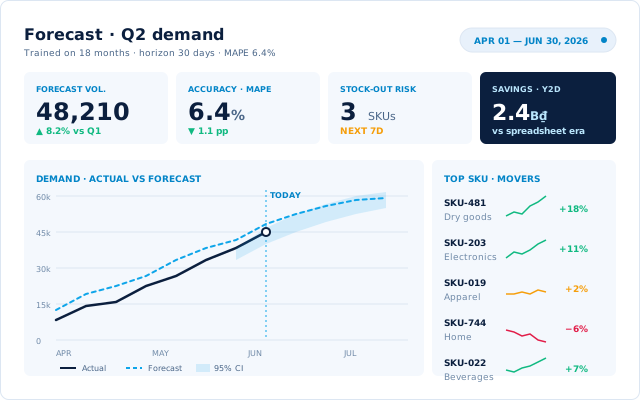
Demand forecasting
Predict SKU-level demand from real-time sell-through signals; reorder points adjust nightly with a human review threshold.
Route scoring
Score candidate delivery routes by distance, traffic, load, and service window — dispatcher keeps the final say.
Warehouse triage
Pick-path scoring, cycle-count alerts, and anomaly detection on receiving variance before it hits the floor.
Last-mile routing
Drop sequencing with time-window constraints; re-plan on exceptions without paging the planner.
Customer chatbot
Triages order questions, drafts returns, and hands off to a human agent when intent confidence drops.
System integration
Connects to WMS, TMS, and ERP over REST or EDI with a unified shipment data contract.
Demand & ETA forecasting
Models trained on your historical operations data, served behind a simple API.
Anomaly detection
Flag late-trending lanes, cost spikes, and SLA risks before they breach.
Explainable output
Every prediction ships with the drivers behind it, so operators trust and can override it.
In production
Forecasting, anomaly alerts, and decision support wired into your existing operations data.

Features
Model training pipeline
End-to-end MLOps: data ingestion, feature engineering, training, validation, and deployment — reproducible and version-controlled.
Monitoring dashboard
Track model accuracy, drift, latency, and throughput in production with alerting on degradation.
Integration SDK
Python and TypeScript SDKs to embed AI predictions into existing WMS, TMS, and ERP workflows.
Explainability reports
Feature importance, SHAP values, and decision logs so ops teams understand why the model recommends each action.
Anomaly detection alerts
Flag late-trending lanes, cost spikes, and SLA risks in real time before they breach threshold.
WMS / TMS / ERP integration
Python and TypeScript SDKs embed AI predictions into existing warehouse, transport, and planning workflows via REST or EDI.
The difference is explainability. Our planners actually use the forecasts because they can see why the model said what it said.
Built with
 Python
  PyTorch
  FastAPI
  Hugging Face
  Redis
Redis Use cases

Demand forecasting for retailers
Predict SKU-level demand by region and channel; feed into procurement and warehouse planning.

Customer service chatbot
Deploy AI agents that handle order inquiries, returns, and escalations across chat, email, and phone.
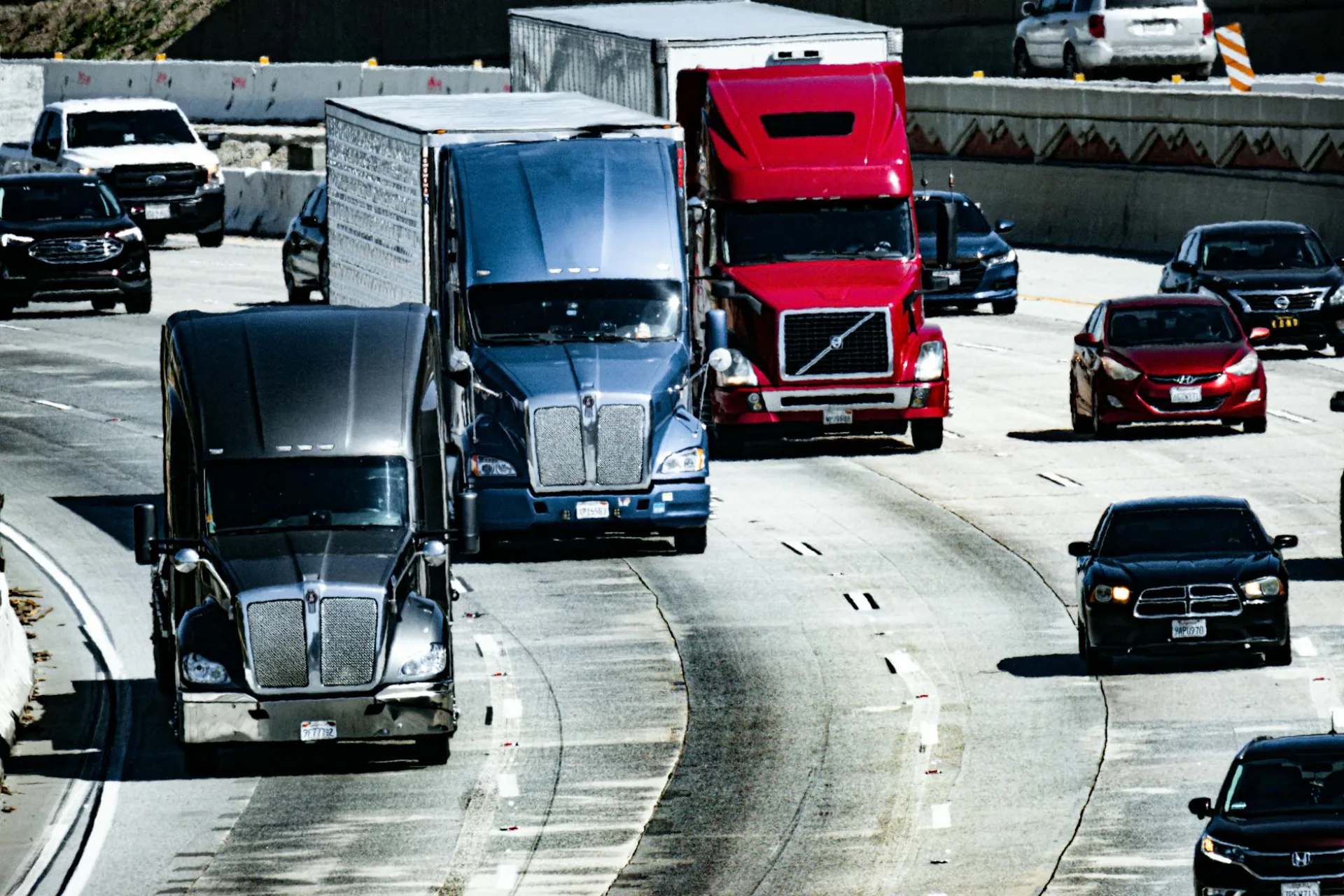
Route & fleet optimization
Reduce fuel costs and improve on-time rates by optimizing daily route plans across the fleet.

Fleet & route optimization
Suggest assignments and routes from live load, traffic, and historical patterns.
Frequently asked
Do you train on our data?
Yes — models are trained on your historical operations data and served behind a simple API.
Is the output explainable?
Every prediction ships with the drivers behind it, so operators can trust and override it.
Is this a prototype or production?
Production. We ship monitored, versioned models — not a demo notebook.
How does it integrate?
Through APIs into your existing dispatch, WMS, or planning tools — no rip-and-replace.
Get started
Integrate AI into your operations.
Forecasting · Routing · Automation — integrated. Contact us for project scoping.